
Story Analysis: Severance
Show Resources and a Primer for Season 2

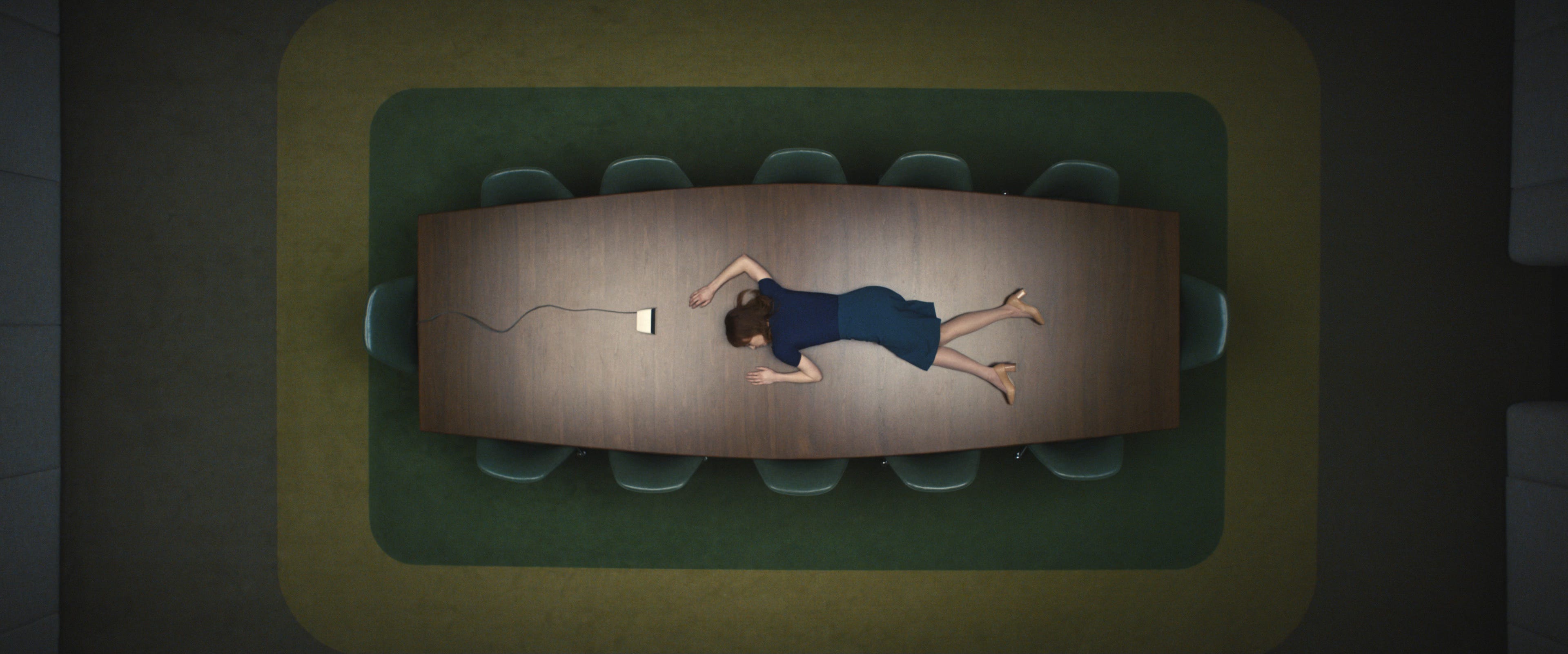
Three years is a long time in between seasons of a TV show, especially when Season 1 ends on a cliff hanger, but that’s how long fans had to wait for Season 2 of Severance on Apple+. If you’re curious what all the hype is about, or why the actors showed up in a glass cube at Grand Central Terminal on January 14, add it to the seemingly endless list of questions you may have pondered at the end of last season. Even if you’ve seen this darkly funny dystopian drama already, you may enjoy rewatching the first season, as you’ll eventually realize (even if it’s in Season 2) that most of your confusion about what goes on at a waffle party and why those baby goats are on the severed floor, are meticulously placed and plotted for a reason.
Whether you’re already a fan, or one in the making, Severance is an incredibly unique mystery box show that promises a roller coaster ride of surprises for the viewer and is a Masterclass in world building and storytelling for the writer.
So let’s take a deep dive on Severance, looking at the broad strokes of Season 1 (without spoilers!) and some companion resources that can enhance your viewing and learning experience to prep you for Season 2.
The Trailer - One of the first things I like to do upon a series deep dive, is take a look at the show trailer(s). As mentioned in an earlier post about TV Show Trailers, watching them for genre, tone, intro to the world, memorable characters, dialogue and the overarching narrative of a series, can be useful to analyze as a storytelling tool. Check out this trailer for Season 1 and consider just how economically you learn about the show and what’s to come:
The Script - I like to read any scripts that are available. Here is the original pilot, written by Dan Erickson. The core elements of the show are the same, but you might enjoy seeing where the show really started — with Mark on the table, not Helly.
Next, look at how the platform, Apple TV+, defines Severance and the economy in which they streamline the episodes:
Premise: In “Severance,” Mark Scout (Adam Scott) leads a team at Lumon Industries, whose employees have undergone a severance procedure that surgically divides their memories between their work and personal lives. This daring experiment in “work-life balance” is called into question as Mark finds himself at the center of an unraveling mystery that will force him to confront the true nature of his work … and of himself.
Series Logline: Mark leads a team of office workers whose memories have been surgically divided between their work and personal lives. They begin a journey to discover the truth about their jobs—and themselves.

Episode Loglines - Season 1
Episode 1: (57 min) “Good News About Hell” - Mark is promoted to lead a team of employees who’ve had their memories surgically divided between their work and personal lives.
Episode 2: (53 min) “Half Loop” - The team trains new hire Helly on macro data refinement. Mark takes a day off to meet with a mysterious former colleague.
Episode 3: (56 min) “In Perpetuity” - Mark takes the team on a field trip, but Helly continues to rebel.
Episode 4: (46 min) “The You You Are” - Irving makes an intriguing discovery at work. Helly aggressively pursues a meeting with her Outie. Mark grapples with the loss of his wife.
Episode 5: (43 min) “The Grim Barbarity of Optics and Design” - Irving and Dylan confront Burt. The team ventures out into the hallways.
Episode 6: (40 min) “Hide and Seek” - The team angers Cobel by forming an alliance.
Episode 7: (49 min) “Defiant Jazz” - Mark and the team encounter new security measures from Cobel.
Episode 8: (46 min) “What’s for Dinner?” The team prepares a plan. Mark attends Devon and Ricken’s party.
Episode 9: (40 min) “The We We Are” - Season finale. The team discovers troubling revelations. You can read the production draft of this episode here.
A note about episode run time — It’s interesting how the episode lengths listed above vary. The season starts off very solidly in traditional one-hour territory - the first three episodes are all over 50 minutes long. But throughout the rest of the season they are all in the 40+ min range. A bit of an old school rule of thumb, content under 40 minutes is usually considered half-hour, so the show edges right up against that, but still manages to stay within the one-hour construct (and maintain the Drama category for Emmy award submissions). Needless to say, given that streamers don’t have to wedge in a commercial break at a set time (as they do in network TV), there’s clearly a lot of wiggle room with running time.
The Podcast - After you’ve watched all of Season 1 (or during), you will delight in the ultimate listening companion — The Severance Podcast with Adam Scott and Ben Stiller. The hosts, the lead actor, and the primary director and Executive Producer respectively, discuss each episode in detail, from the development of the show with creator Dan Erickson, to the incredible opening title sequence created by Oliver Latta of ExtraWeg (it won a 2022 Emmy for Main Title Design), to fun behind the scenes stories with the cast and so much more. Beware, lots of spoilers here!
But wait, there’s even more!
The Book - Apple Books offers a digital book titled, “Severance, The Lexington Letter” and you can download it for free. This series of (fictional) letters/emails are written by Margaret “Peg” Kincaid, a former employee of Lumon Industries who worked in Macrodata Refinement (MDR), and hoped to expose the company’s sinister ways to a reporter at The Topeka Star before her untimely passing.
Upon reviewing and consuming everything mentioned above, you will be very eager and prepared to venture on to Season 2 — if not inspired to create the next mystery box show of your own.
Just one other thing — if you’re curious about what the cast was doing in the glass cube at Grand Central Station, you can check it out here. Enjoy!
Love this show Alana! So glad you're covering it:)
Great read! I wonder if we'll see more shows create congruent podcasts. I could see it as a way to keep viewers engaged during long stretches between seasons.